November 6, 2026
/
A clogged gutter can look like a simple maintenance issue from the ground. But when leaves, pine needles, roof grit, and standing water build up overhead, they create the kind of damp, protected environment many Mississippi pests are already looking for. Gutter cleaning to prevent pests is one practical way to reduce pest pressure around your home or business before insects and wildlife find a path inside.
For North Mississippi property owners, this matters most after heavy rain, spring pollen, summer storms, and fall leaf drop. Clean gutters do more than move water away from the roofline. They help remove breeding sites, hiding places, and moisture conditions that support pests near the structure.
Why Clogged Gutters Attract Pests
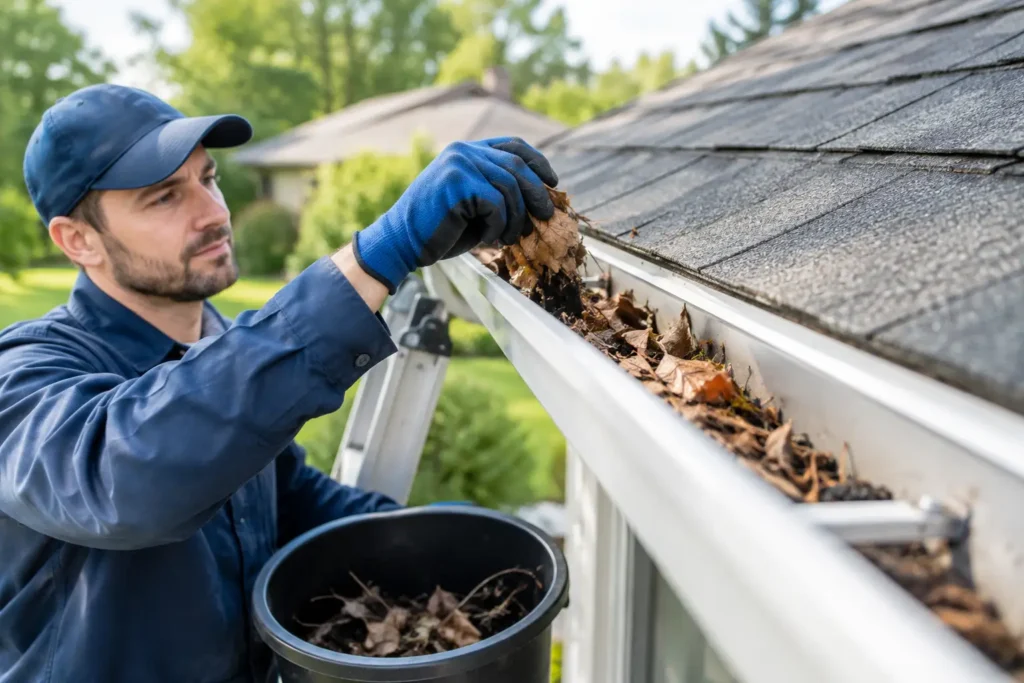
Gutters are designed to carry rainwater safely away from your property. When debris stops that flow, water can sit for days or weeks. Organic material breaks down into a wet layer of leaves and sediment, while overflowing water can keep fascia boards, siding, soil, and mulch damp.
That combination gives pests several reasons to stay nearby. Mosquitoes may use trapped water for breeding. Ants, cockroaches, and spiders can take advantage of the moisture and undisturbed debris. Rodents may use overhanging branches, rooflines, or debris-filled gutters as part of a route to the attic. Birds and wasps may also find protected spots along clogged or damaged gutter sections.
The concern is not that every clogged gutter automatically causes an infestation. Pest activity depends on the season, landscaping, nearby water sources, entry gaps, and the pest species involved. Still, a backed-up gutter gives pests one less reason to leave your property.
Gutter Cleaning to Prevent Pests Starts With Water Control
Standing water is one of the clearest pest risks associated with neglected gutters. Even a shallow amount of water caught in leaves can become attractive to mosquitoes during warm weather. In North Mississippi, mosquito activity can remain frustratingly persistent through much of the year, especially after rain.
A clear gutter and properly connected downspout move water away from the building instead of holding it at the roofline or dumping it beside the foundation. This helps reduce damp zones where mosquitoes, ants, and other moisture-loving pests may gather.
Water control also protects the building itself. Overflowing gutters can contribute to rotted wood, stained siding, foundation moisture, and soft ground near exterior walls. Those conditions do not just create repair concerns. They can make the area around a structure more inviting to pests that need moisture, cover, or weakened building materials.
Mosquitoes Need Less Water Than Most People Think
Mosquitoes do not need a pond to become a problem. They can breed in small pockets of still water, including water trapped in gutter debris, clogged downspouts, and low spots around the property. Regular cleaning removes those pockets before they become part of the mosquito cycle.
If mosquitoes remain active after your gutters are cleared, look beyond the roofline. Birdbaths, buckets, tarps, unused planters, tire swings, drainage areas, and clogged landscape drains can also hold water. Gutter maintenance is a meaningful piece of mosquito prevention, but it works best as part of a broader property check.
Moisture Can Raise the Stakes for Termites
Termites are a serious concern across the Southern Termite Belt, and moisture around a home can make the property more favorable for termite activity. Subterranean termites need moisture to survive, and while clogged gutters do not create termites, persistent overflow can add to the conditions they prefer near a structure.
When gutter water spills close to the foundation, it can soak mulch, soil, and wood elements around the home. Over time, water may contribute to wood decay or moisture problems in crawl spaces. Those issues can make inspections more difficult and may provide termites with concealed travel conditions.
Keeping gutters clean should not replace a professional termite inspection or treatment plan. It is preventative maintenance, not termite control. But it is a smart way to limit excess moisture that can work against your efforts to protect your home.
Clogged Gutters Can Support More Than Insects
The debris in a gutter can serve as nesting material or cover for several unwanted visitors. Depending on the property, homeowners may notice activity from rodents, birds, wasps, carpenter ants, or spiders near the roofline.
Rodents are especially worth watching because roof access can lead to attic access. A gutter by itself is not usually the main reason rats or mice enter a home. Gaps around roof returns, soffits, vents, utility lines, and damaged fascia are more direct entry points. However, clogged gutters, tree limbs touching the roof, and water damage can make the exterior easier for rodents to explore.
Wasps may build nests beneath loose gutter sections, behind fascia boards, or near eaves where they have shelter from rain. Spiders often follow insect activity, so a damp area that attracts small insects can also become a place where webs appear more often.
How Often Should You Clean Your Gutters?
Most properties benefit from gutter cleaning at least twice a year, commonly in late spring and again after fall leaves have dropped. The right schedule depends on the trees around your building, the type of roof, recent storms, and how quickly debris accumulates.
Homes beneath pine trees, oaks, or heavy tree cover may need more frequent attention. Commercial buildings may also require closer monitoring because a long roofline, large drainage system, or blocked downspout can create a bigger water-management problem in a short time.
Check gutters after severe weather as well. A single storm can fill a previously clear valley or downspout with branches and leaves. Watch for water spilling over the gutter edge, sagging sections, plants growing from debris, dark streaks on siding, peeling paint, or puddles near the foundation. These are signs that water is not moving where it should.
Safe Gutter Maintenance Matters
Cleaning gutters can involve ladder work, wet surfaces, sharp metal edges, and overhead electrical hazards. For a one-story home with stable ground and simple access, a careful property owner may be comfortable doing the job. For steep roofs, two-story homes, damaged gutters, or areas near power lines, professional service is the safer choice.
Do not focus only on scooping out visible leaves. A complete gutter check should confirm that downspouts flow freely, extensions direct water away from the foundation, brackets are secure, and the gutter is not pulling away from the fascia. If water damage or pest evidence is present, address both issues instead of treating them as separate problems.
Gutter guards can reduce large debris, but they are not maintenance-free. Fine particles, roof grit, pine needles, and seedlings can still collect on top of or inside certain guard systems. They can be helpful in the right setting, but periodic inspection remains necessary.
Pair Gutter Care With Exterior Pest Prevention
The best results come from reducing several pest attractants at once. Keep tree branches trimmed back from the roof, store firewood away from the structure, repair damaged screens and exterior gaps, and avoid allowing mulch or vegetation to hold moisture against siding. If your downspouts discharge near a foundation wall, consider whether extensions or drainage improvements are needed.
For businesses, these steps can protect more than the building. A restaurant patio, healthcare facility entrance, warehouse loading area, or church gathering space can become less comfortable when mosquitoes, wasps, or rodents are active around the exterior. Regular exterior maintenance helps support a cleaner, more welcoming property for customers, employees, and visitors.
If you see termite mud tubes, rodent droppings, active wasp nests, recurring mosquitoes, or signs of wood damage, do not rely on gutter cleaning alone. Those signs call for a pest evaluation so the source of the activity can be identified and handled correctly.
A clean gutter will not solve every pest problem, but it can remove one of the easiest conditions for pests to exploit. When you protect the roofline, direct water away from the structure, and respond quickly to signs of activity, you give pests fewer places to settle in around the property.