
October 16, 2026
/
A resident reports roaches in the kitchen before business hours. A maintenance technician finds rodent droppings near a utility room. A prospective tenant notices wasps by an entryway during a tour. In each case, a property manager pest response guide helps turn an urgent complaint into a clear, defensible plan that protects people, preserves the property, and keeps a small issue from becoming a larger one.
For North Mississippi property managers, pest response is not just about getting rid of what is visible. It is about identifying the source, communicating promptly, documenting the work, and putting practical prevention measures in place. Fast action matters, but the right action matters more.
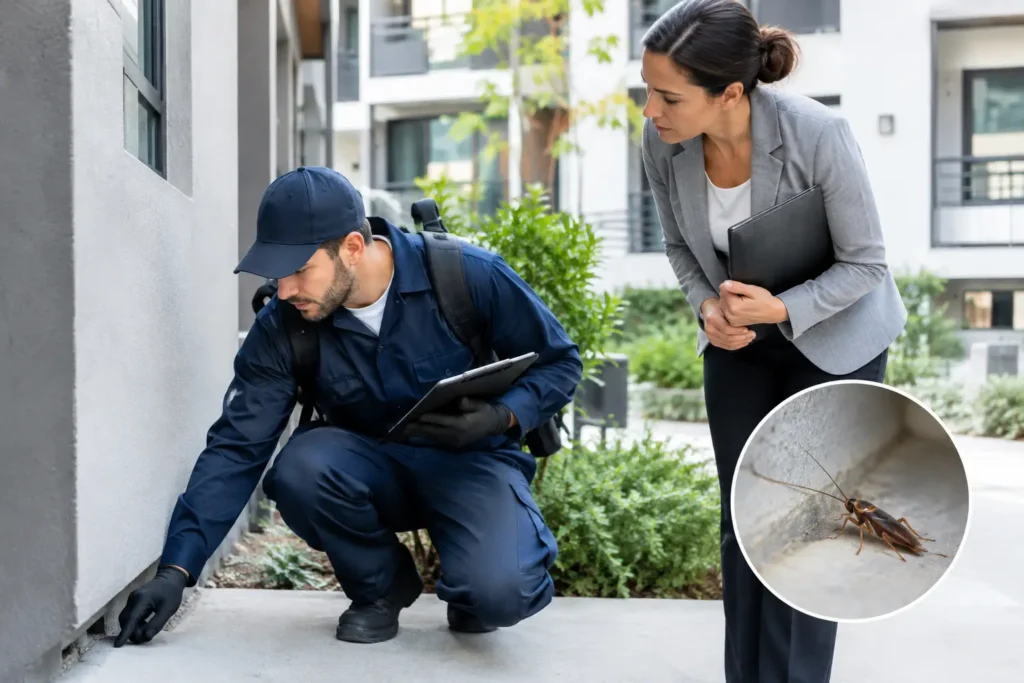
Start With Safety, Scope, and Documentation
The first call or email should trigger a consistent response. Record the reporting resident or employee, the exact location, when the activity was seen, and what they observed. Details such as small black droppings, scratching sounds after dark, flying insects around a window, or mud tubes on a foundation can help a trained technician prioritize the inspection.
Ask for photos when it is safe and practical, but do not expect residents or staff to identify the pest correctly. A beetle can be mistaken for a cockroach. A few ants may be a simple seasonal issue, or they may point to moisture and a food source behind a wall. What looks like a mouse problem may involve rats, squirrels, or another wildlife issue. A professional inspection provides the confirmation needed before treatment begins.
Some reports need immediate escalation. Stinging insects near common walkways, rodents in food-storage areas, bed bug concerns, termites, and pest activity in healthcare, school, or restaurant settings should not wait for the next routine visit. If someone has been stung, bitten, or exposed to an immediate health risk, follow your emergency procedures first.
Documentation protects everyone involved. Keep notes on the initial complaint, inspection findings, treatment recommendation, resident notices, completed service, and follow-up results. Good records show that management responded responsibly and help identify recurring patterns by building, unit, season, or location.
Property Manager Pest Response Guide: The First 24 Hours
A quick response does not always mean spraying the same day. It means assessing the situation, reducing exposure, and scheduling the right service without unnecessary delay.
Confirm the location and level of activity
Determine whether the pest activity is limited to one unit or may involve common areas, adjoining units, exterior conditions, or a broader building issue. For example, roaches in a single apartment can spread through shared walls, plumbing penetrations, and utility chases. Rodent activity in a storage room may be connected to exterior gaps, overflowing dumpsters, or damaged door sweeps.
For multi-family properties, inspect nearby units when conditions suggest pests could travel between them. For commercial properties, consider the full workflow around the affected area. A warehouse receiving door, restaurant back entrance, break room, and trash enclosure can all influence what happens inside.
Give residents or staff clear instructions
Communication should be calm, specific, and useful. Tell affected occupants when an inspection or treatment is planned, what access is needed, and what preparation is required. Avoid vague notices that leave people guessing.
Preparation depends on the pest and treatment method. A roach service may require cleaning food debris, emptying cabinets, and allowing access beneath sinks. Rodent control may involve removing clutter, securing pet food, and keeping doors closed. A bed bug inspection requires a different process entirely, so it should never be handled with a one-size-fits-all notice.
Remove immediate attractants when possible
Maintenance and sanitation improvements often make professional treatment more effective. Address standing water, leaking pipes, torn screens, loose weatherstripping, overgrown vegetation against the structure, and uncovered trash. These corrections do not replace pest control, but they reduce the conditions pests depend on.
Do not ask residents to use foggers, unapproved pesticides, or home remedies before inspection. Those products can scatter pests into new areas, interfere with treatment, and create avoidable safety concerns.
Match the Response to the Pest Problem
The best property management pest plan combines inspection, targeted treatment, and prevention. The right response depends on the pest, the structure, occupant needs, and the urgency of the situation.
Cockroaches, ants, and other crawling pests
Crawling pests usually need a source-focused approach. Technicians should inspect kitchens, bathrooms, utility areas, cracks, appliance voids, and exterior entry points. Treatment may include carefully placed products, monitoring, and recommendations for sanitation or moisture control.
For apartments and shared buildings, treat the affected unit while assessing adjacent spaces when appropriate. Treating only the unit that called can provide temporary relief but may not solve movement through connected areas.
Rodents and wildlife
Rodent control should include more than traps. A complete response looks for entry points, nesting areas, food sources, and routes along walls, ceilings, crawlspaces, and utility lines. Exclusion work, such as sealing gaps and repairing damaged areas, is often what prevents the next infestation.
Wildlife calls require added care. Squirrels, raccoons, bats, and other animals can create structural damage or safety concerns, especially when they enter attics or wall voids. Avoid sealing an opening until you know the animal is out and any young are accounted for. Timing and humane removal methods matter.
Termites and moisture-related threats
Termite concerns deserve prompt professional attention in North Mississippi. Mud tubes, damaged wood, discarded wings, or soft spots near trim may signal subterranean termite activity. Since termites can remain hidden while feeding on wood, a visible sign should lead to a thorough inspection rather than a spot treatment guess.
Property managers should also address moisture conditions that can attract termites and other wood-damaging pests. Poor drainage, plumbing leaks, wood-to-soil contact, and damp crawlspaces can all increase risk.
Mosquitoes, wasps, and exterior complaints
Exterior pests affect curb appeal, tenant satisfaction, and everyday safety. Mosquito management begins with reducing standing water and treating active areas as part of a broader plan. For wasps and other stinging insects, do not allow residents or employees to disturb nests near doors, playgrounds, patios, or maintenance areas. A trained technician can determine the safest removal method.
Build Prevention Into Routine Property Operations
Pest prevention works best when it becomes part of regular property care rather than a reaction after complaints arrive. Maintenance teams can watch for gaps around pipes, damaged vents, broken screens, drainage problems, and failing door sweeps during routine work orders. Cleaning crews can report unusual pest activity, droppings, gnaw marks, or insect buildup before it becomes a tenant complaint.
A few operational habits make a meaningful difference:
- Keep dumpsters and trash areas clean, closed, and positioned away from building entrances when possible.
- Repair water leaks promptly, especially beneath sinks, behind appliances, and in mechanical rooms.
- Trim vegetation away from exterior walls and keep mulch or stored materials from creating hidden pest harborage.
- Seal exterior openings around utility lines, doors, windows, vents, and foundation penetrations.
- Schedule ongoing professional service based on the property type, pest history, and seasonal pressure.
There is no single service frequency that fits every property. A restaurant, healthcare facility, warehouse, or high-occupancy apartment community may need more frequent monitoring than a small office building. Properties with recurring moisture issues, wooded surroundings, or a history of termites and rodents may also need a more proactive plan.
Choose a Pest Partner That Communicates Clearly
Property managers need more than a technician who arrives, treats, and leaves. Look for a local pest management partner that provides clear findings, practical recommendations, service records, and timely follow-up. Certified technicians should be able to explain what was found, why a particular treatment is recommended, and what management or occupants need to do next.
Communication is especially valuable when treatment requires access to multiple units, resident preparation, or maintenance repairs. The pest control provider, property manager, and maintenance team should work from the same plan. When responsibilities are unclear, small gaps in service can lead to repeat complaints.
At 662 Pest Control, our family-owned team understands that a pest issue can quickly become a property operations issue. We provide responsive evaluations and practical pest management solutions designed for the homes, apartments, businesses, and facilities we serve across North Mississippi.
The strongest response is the one residents barely have to think about: a prompt call back, a knowledgeable inspection, clear next steps, and a property that feels protected again.